
A well-chosen dog grooming kit makes a genuine difference to your dog’s skin, coat, and everyday comfort. Getting the basics right – the right shampoo, a conditioner, some practical between-wash tools, and targeted care for paws and ears – means you can maintain your dog’s coat between professional appointments, spot small changes early, and build a routine that fits naturally into daily life. This guide covers exactly what to include, why each element matters, and how to choose products suited to your dog’s specific needs.
At Company of Animals, founded by world-renowned animal psychologist Dr Roger Mugford and now led by his daughter Dr Emily Mugford, a highly qualified veterinarian, we have spent decades understanding canine behaviour and wellbeing. Our Pet Head range brings that expertise to everyday coat care, with products formulated specifically for dogs’ unique skin requirements and approved by vets.
Our expertise isn’t just theoretical. We also run the Pet Head Grooming Parlour, where our expert groomer Phoebe Fox works with dogs day in, day out. This hands-on, real-life experience helps us identify what individual pets and coat-types really need, allowing us to refine our formulations again and again so they perform brilliantly in practice.
Enriching pets’ lives – Devoted to the physical and mental wellbeing of companion animals.
Why Every Dog Needs a Grooming Kit at Home
Professional groomers play an important role, but most dogs spend weeks – sometimes months – between appointments. A reliable grooming kit at home means you can maintain their coat and skin during that time, rather than waiting for the next salon visit to address whatever has built up.
Grooming Supports Skin, Coat & Everyday Comfort
A dog’s skin and coat do more than most owners realise. They act as a protective system – regulating temperature, blocking environmental debris, and helping maintain the skin’s natural balance. When the coat is kept clean and the skin is supported, dogs tend to be more comfortable and settled. When it is not, discomfort tends to show up in the coat first: dullness, rough texture, flaking, or persistent scratching.
Everyday life puts a lot of pressure on the coat and skin. Walks expose dogs to pollen, dust, mud, grass seeds, and road residue. Weather changes add further stress, whether that is dry winter air pulling moisture from the skin or humid summer heat building up in a thick coat. Without regular grooming, that accumulation debris builds up on the skin and in the fur.
Consistent at-home grooming helps to:
- Remove dirt and environmental debris before it settles close to the skin
- Prevent mats and tangles that restrict airflow and cause discomfort underneath
- Support the coat’s natural oil distribution, keeping it conditioned and the skin protected
- Maintain moisture balance, so the skin stays comfortable between washes
Regular grooming also gives you a valuable check-in point. When your hands are on your dog’s coat and skin, you notice changes – a rough patch, an area that feels tender, unusual shedding, dry areas of skin, and even lumps and bumps that can develop. Catching those early means smaller adjustments, rather than reacting to a problem that has already been building for some time.
At-Home Grooming Between Professional Visits
Life does not pause between appointments. Dirt builds up, paws get muddy, and coats collect dust and lose their freshness. At-home grooming fills that gap – not by replacing professional care, but by keeping your dog comfortable, clean, and well-maintained in the time between visits.
With the right kit at home, you can keep coats manageable between trims, respond to mess as it happens without defaulting to a full wash every time, and give your dog regular, calm handling that makes professional grooming sessions easier for them too. Not every situation calls for a full wash. Sometimes a wipe-down, a light spray, or a brushing session is all that is needed. Having the right products on hand means you can respond appropriately.
Bath-Time Essentials
Wash time is the foundation of any grooming routine. However, make sure you are not overbathing your dog, which is one of the most common dog bathing mistakes you should always avoid. Another common mistake dog parents make is choosing the wrong product. Getting the product selection right has a direct effect on how the skin and coat respond – both during the wash and in the days that follow.
Choosing the Right Dog Shampoo
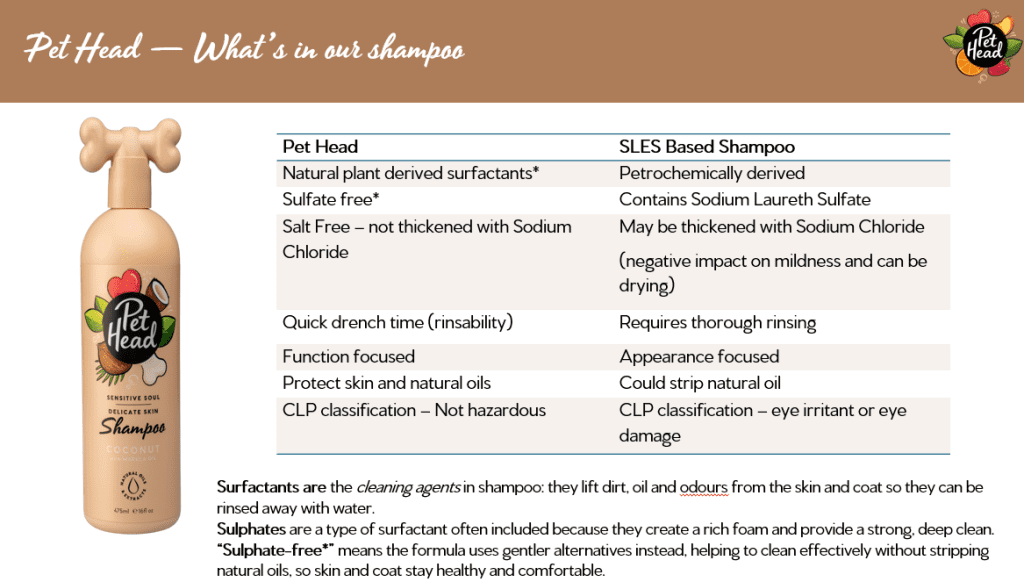
Shampoo selection matters more than many owners expect. Human shampoos – however mild they claim to be – are formulated for human skin, not canine skin. Dogs have a different skin structure and a more neutral natural pH. Using human products disrupts the skins natural balance and can leave the skin dry and uncomfortable over time. The same applies to baby shampoo, which is formulated for human babies and shares the same incompatibility with canine skin as adult human products.
A well-formulated dog shampoo works with the skin’s natural characteristics rather than against them. It should remove dirt, allergens, and odour while leaving the skin comfortable and the coat soft. When choosing a shampoo, look for:
- A pH-balanced formula, developed for canine skin rather than adapted from human products
- Mild cleansing agents that lift dirt without aggressively stripping moisture
- No unnecessary additives – parabens, sulphates, and harsh detergents can build up over time
- Moisturising ingredients that support skin comfort after cleansing
Pet Head offers shampoos matched to different coat and skin needs:
- Sensitive Soul Shampoo – for dogs with dry or easily reactive skin, formulated with oatmeal extract, calendula, marula oil, and aloe vera
- Quick Fix Shampoo and Conditioner in One – a practical choice for regular wash days
- Ultimutt Clean Deep Clean Shampoo – cleans, conditions, and deodorises in one step, using Saccharomyces ferment to neutralise odours at source
- Berry Bright Whitening Shampoo – for brightening white and lighter coats
- Furtastic Shampoo – for long and curly coats, helping keep them soft and manageable
- Mucky Pup Shampoo – formulated for developing puppy skin, suitable from eight weeks to twelve months
Conditioner – The Most Overlooked Step
Conditioner is the most commonly skipped step in a dog wash routine, and one of the most useful to add back in. Even the gentlest shampoo removes some of the natural oils that keep the coat soft and the skin balanced. Conditioner follows the shampoo to restore that moisture, smooth the hair cuticle, and help the coat hold its condition between wash days.
A quality dog conditioner helps to:
- Replace moisture lost during cleansing, leaving the coat soft rather than dry and flat
- Detangle fur and reduce breakage, making brushing more comfortable
- Support dogs with longer, thicker, or curlier coats that mat more easily
- Leave the skin settled and comfortable after wash time
For dogs with longer coats or coats prone to matting, conditioning is particularly valuable. It reduces friction between hairs, which means less pulling during brushing and fewer knots forming between washes. When shampoo and conditioner work together, the difference in coat texture is noticeable wash after wash.
For dogs who prefer a quicker routine, or whose coats need maintenance between wash days, Pet Head Quick Fix Leave-in Conditioner and Ultimutt Clean Leave-in Conditioner can both be applied to wet or dry coats without rinsing. The Furtastic Detangling Spray is a targeted option for longer or curlier fur, helping keep coats smooth and easier to brush.
Grooming Essentials for Dogs with Sensitive Skin
Some dogs have more reactive skin than others. Dogs with food or environmental allergies, or other underling skin conditions can be more sensitive to grooming products, and in these individuals particular care should be taken when choosing a shampoo. Sensitivity often shows up as persistent scratching, redness after wash time, flaking or dry skin, or dull coat texture that does not improve with regular grooming. These signs can indicate a routine or product that is not suited to that dog’s skin.
Gentle Products for Sensitive Skin
Dogs with sensitive skin need formulas that cleanse without stripping, moisturise without heaviness, and avoid ingredients likely to cause a reaction. The Pet Head Sensitive Soul range is formulated with that in mind:
Sensitive Soul Shampoo
Sensitive Soul Shampoo cleanses without overwhelming delicate skin. It is pH-balanced and developed to support skin comfort with every wash, using oatmeal extract, calendula extract, marula oil, and aloe vera – each chosen for their moisturising and skin-conditioning properties. This is the shampoo to reach for when your dog’s skin reacts easily or their coat tends to look dry after wash time.
Sensitive Soul Conditioner
Sensitive Soul Conditioner follows the shampoo to restore moisture and help protect the skin’s natural balance. Used together, the two products leave the coat soft and manageable without heaviness or residue.
Sensitive Soul Spray
Not every refresh needs water. Between wash days, the Sensitive Soul Spray provides a light, hydrating refresh that can be applied to wet or dry coats. It is particularly useful during warmer months, after walks, or whenever the coat needs freshening without a full wash.
Sensitive Soul Wipes
Sensitive Soul Wipes are formulated with plant-derived ingredients for dogs with reactive or delicate skin. They keep paws, faces, and skin folds clean without disrupting the skin’s natural balance, making them a practical daily tool for maintaining hygiene between wash days.
Oatmeal Soothing Cream
For dogs with dry patches on elbows, around wrinkles, skin folds, or areas they tend to lick and focus on, Pet Head Oatmeal Soothing Cream provides support. It combines colloidal oatmeal – a finely milled form of oat that helps the skin retain moisture – with castor oil and cocoa butter, in a lightweight, fast-absorbing formula. It is designed for daily use on specific dry areas, complementing the wider wash and coat routine.
Avoiding Over-Washing
Washing too frequently is one of the most common triggers of skin discomfort in dogs with sensitive skin. Each wash removes some of the natural oils the skin produces to stay comfortable and maintain the coat’s condition. When this happens more often than the skin can recover, dryness and scratching follow. For most dogs, washing every three to four weeks is sufficient. For dogs with sensitive skin, spacing wash days a little further apart and using between-wash tools – wipes, sprays, and leave-in conditioners – helps maintain cleanliness without disrupting the skin’s balance.
For a full guide to common wash-time mistakes and how to avoid them, see our article on Dog Washing Mistakes to Avoid.
Everyday Grooming Products Between Washes
Grooming does not stop on wash day. Between walks, meals, outdoor play, and the unpredictable moments that come with life with a dog, regular light clean-ups keep coats comfortable and reduce how often a full wash is actually needed.
Dog Wipes for Quick Clean-Ups
Dog wipes are one of the most practical additions to an everyday grooming routine. Plant-based, biodegradable, and plastic-free, they handle the daily messes that happen between wash days – muddy paws after walks, food residue around the mouth, a quick freshen-up before visitors, or a wipe-down after a roll in something unpleasant. No water, no drying time, and no stress for dogs who are less keen on the full wash routine.
Pet Head Quick Fix Dog Wipes are suited to everyday use on dogs with normal skin. For dogs with more reactive or delicate skin, Sensitive Soul Wipes use plant-derived ingredients that cleanse gently while helping to maintain skin comfort. Both are suitable from eight weeks old and can be used daily as part of a consistent grooming habit.
Used regularly, wipes also help reduce the build-up of pollen, dust, and outdoor debris on the skin – which means less discomfort between wash days and often fewer full washes overall. For a practical guide to how wipes fit into daily life, see our article on the Top 7 Everyday Uses for Dog Wipes.
Coat Refreshers and Deodorisers
There are days when a full wash is not necessary, but the coat could do with freshening. Coat refreshers and deodorisers sit between a full wash and a quick wipe-down, providing a light, supportive clean that keeps the coat smelling fresh without water.
Pet Head Ultimutt Clean 3-in-1 Coat Refresher cleans, conditions, and deodorises in one step. It uses Saccharomyces ferment – a natural ingredient derived from the fermentation of sustainable sugar cane – to neutralise odours at source rather than masking them with fragrance. The result is a coat that smells clean and feels softer, without the skin disruption of a full wash.
For dogs who regularly attract strong or persistent odours, Ultimutt Clean Coat Refresher is a targeted option. These products extend the time between wash days, which supports long-term skin and coat condition by reducing the frequency of full washes.
Paw and Ear Care
The details matter when it comes to a complete grooming kit. Paws and ears are two of the most exposed areas on a dog’s body, and both have a direct effect on everyday comfort. When these areas are supported as part of a regular routine, the difference is noticeable – dogs move more comfortably, rest more easily, and show fewer signs of skin discomfort around the extremities.
Paw Care for Daily Walks and Seasonal Protection
Paw pads endure constant daily wear – every step on pavement, rough ground, hot surfaces, or salted winter paths contributes to cumulative wear. Unlike humans, dogs have no choice about what surface they walk on. Paw pads can become rough and dry gradually, often before an owner notices. Small surface cracks, a rougher-than-usual texture, or a dog that pays more attention to their paws and nips at them are early signs that the pads need support.
If you are wondering how to heal cracked dog paws, using a nourishing paw butter on a regular basis can help keep their paw pads soft, supple, and more resilient. Pet Head Oat Paw Butter and Coconut Paw Butter are both designed for this purpose – the choice between them comes down to your dog’s skin type and fragrance preference. Both contain shea butter, mango butter, coconut oil, oatmeal extract, and aloe vera, working together to nourish dry skin and help maintain a protective barrier against further moisture loss.
Applying paw butter after walks and before bed allows the formula to absorb properly while your dog is settled. In winter, applying it before walks adds a layer of protection against road salt and grit. In summer, checking paw pads regularly and applying butter after walks on hot or dry surfaces keeps them in good condition year-round. A small, consistent amount works better than occasional heavy application.
If paw pads are already cracked or sore, pet wipes used after walks to remove salt, grit, and surface residue help stop further build-up. Following up with paw butter supports recovery. If cracks are deep, bleeding, or the dog is limping, consult your vet.
Ear Hygiene at Home
Ears are among the most commonly overlooked areas in a home grooming routine, and among the most important to maintain. Dogs’ ears naturally produce wax as part of normal function, but dirt, moisture, and outdoor debris build up over time – particularly in dogs with floppy ears that restrict airflow, or those who swim regularly. Without gentle, regular care, that build-up can become a source of discomfort.
The goal of ear care at home is not to deep clean or interfere with the ear canal. It is to remove surface wax and debris from the visible areas of the ear, keep the area dry and fresh, and give you the opportunity to spot any early changes – redness, unusual discharge, or persistent odour – before they need veterinary attention.
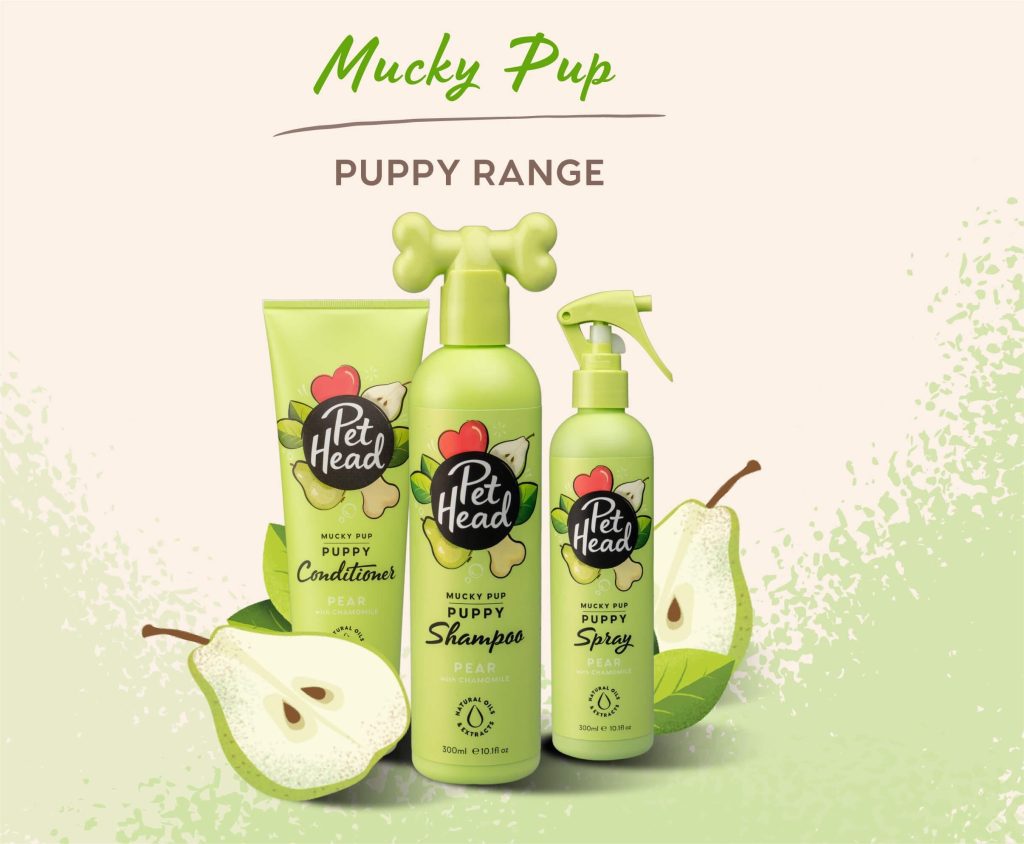
Pet Head Health Ear Wipes are vet-approved formulations crafted by the professionals and vets at Company of Animals. They are fragrance-free, alcohol-free, and pH-balanced, designed to remove wax and debris from the outer ear gently and without introducing excess moisture. Use a fresh wipe for each ear, applying gentle strokes outward. Never insert anything into the ear canal.
For dogs with floppy ears, cleaning every one to two weeks is recommended, and for dogs who swim frequently, cleaning after every swim is worth considering. For dogs with upright ears and no history of ear concerns, a monthly clean as part of the regular grooming routine is generally sufficient. For a complete at-home guide, see our article on How to Clean Dog Ears Safely at Home.
Building a Grooming Kit for Puppies
Puppies are not simply smaller dogs when it comes to grooming. Their skin barrier is still developing, which makes it thinner and more vulnerable to dryness than adult dog skin. Early grooming experiences also shape how a dog feels about being handled for the rest of their life. A kit that is gentle, simple, and consistently associated with calm, positive handling lays the right foundation.
Why Puppies Need a Gentler Routine
Puppy skin loses moisture faster than adult skin, which means harsh cleansing agents cause dryness more quickly. The first wash experiences a puppy has will also set the tone for how they respond to grooming as they grow. Keeping sessions calm, brief, and consistently rewarded with treats and praise helps puppies build a positive association with handling, wash time, ear cleaning, and paw care. That groundwork pays off in easier grooming throughout the dog’s adult life.
There is a behavioural reason to avoid washing puppies too early or too often that goes beyond skin sensitivity. In the first weeks of life, a puppy’s mother’s scent is one of the most important sources of comfort and security they have. That scent plays a significant role in how the puppy bonds, feeds, and settles. Washing a very young puppy removes that scent, which can cause distress and disrupt the bond with the mother and littermates at a critical stage of development. This is one of the reasons puppies should not be washed until at least eight weeks old, and why using wipes rather than a full wash is a better approach for everyday clean-ups during early puppyhood.
Even once old enough for their first wash, frequency matters. Washing every four to six weeks is a reasonable starting point – more frequent washing is rarely needed unless a vet advises it.
To learn more read: How to bathe a puppy for the first time.
The Right Products for Puppies
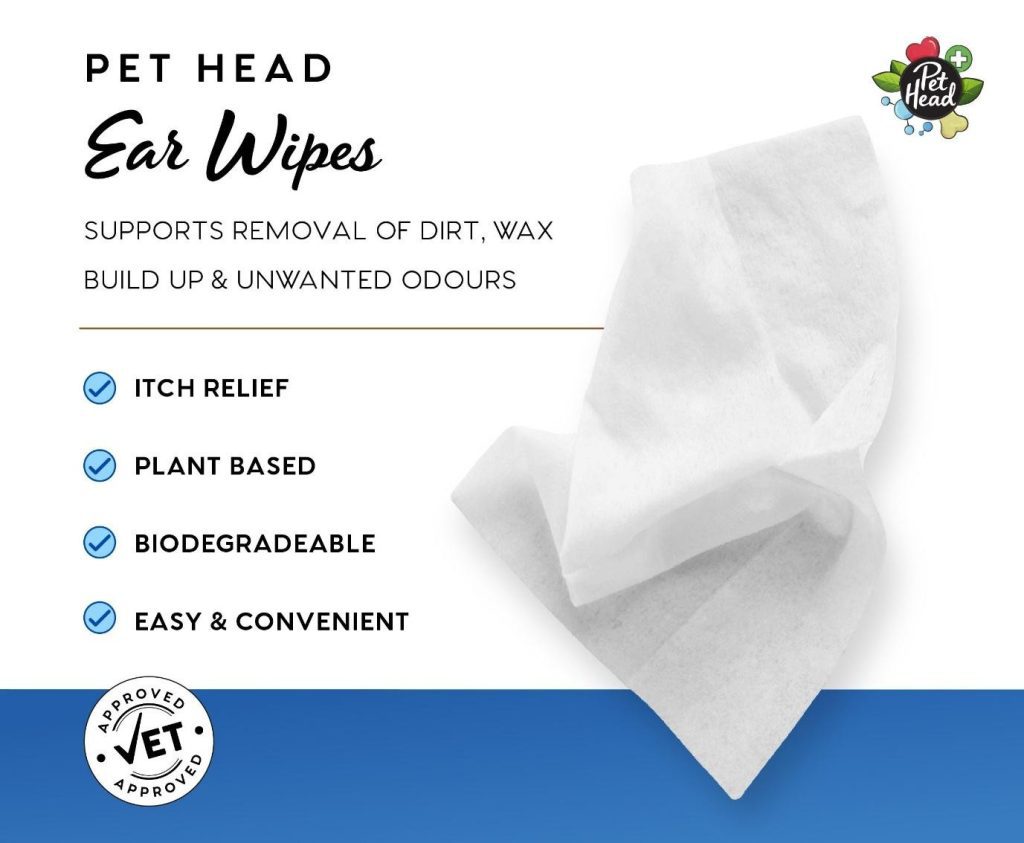
Mucky Pup Shampoo
Mucky Pup Shampoo is developed for the developing skin of puppies from eight weeks to twelve months. It uses milder cleansing agents than adult shampoos, with soothing ingredients including rosehip seed oil, prickly pear seed oil, chamomile extract, and aloe vera. The formula cleans without stripping natural oils, keeping wash time short and gentle. A quick, calm wash followed by thorough rinsing is all that is needed at this stage.
Mucky Pup Conditioner
As puppies grow, their coats change texture – some thicken, some develop curl, others transition into longer fur. Mucky Pup Conditioner helps keep the coat soft and manageable during this period. It is particularly useful for puppies with fluffy or longer coats that start to tangle, making brushing more comfortable and reducing the pulling that can make young dogs resistant to grooming.
Mucky Pup Puppy Spray
Between wash days, Mucky Pup Puppy Spray provides a light freshen-up without water. It is practical for after playtime, light outdoor mess, or simply keeping the coat fresh without the full wash routine. For puppies still settling into grooming, a quick spray and gentle brush is far less demanding than a bath and helps build familiarity with handling.
Quick Fix Dog Wipes for Puppies
From eight weeks, Quick Fix Dog Wipes are a practical between-wash tool for muddy paws, messy mealtimes, and everyday clean-ups. Using wipes regularly also introduces puppies to having their paws, face, and ears handled, which supports easier grooming and vet checks later on.
Seasonal Grooming Adjustments
A dog’s grooming needs to shift with the seasons. A routine that works well in spring may not give the skin enough support in winter, or manage the extra outdoor activity and shedding that comes with summer. Adjusting as conditions change is one of the most practical things you can do to keep your dog consistently comfortable.
Winter Grooming Essentials
Cold outdoor air and indoor central heating together create a dry environment that draws moisture from the skin throughout the colder months. Dogs experience the same drying effect as humans – skin becomes tighter and more prone to flaking, and paw pads suffer from the combination of cold surfaces, grit, and road salt.
Paws need particular attention in winter. Salt and grit from treated pavements dry out paw pads and can make them rough and prone to cracking with repeated exposure. Pet Head Oat Paw Butter or Coconut Paw Butter provides excellent winter paw care for dogs. Applying our paw butter before walks provides a protective layer against the elements. After returning home, wiping paws with dog wipes removes salt and residue before it continues drying the skin. Reapplying paw butter in the evening, while your dog is resting, allows the formula to absorb without competition from licking.
Winter is also the season to review wash frequency. Spacing washes slightly further apart and relying more on wipes, coat sprays, and leave-in conditioners between wash days helps maintain moisture levels without over-stripping the skin. When a full wash is needed, following with a conditioner is especially important in colder months. For dogs whose skin becomes noticeably drier in winter, Sensitive Soul Shampoo and Sensitive Soul Conditioner provide a gentler, more moisturising approach to wash time.
Used daily as part of a regular grooming routine, Pet Head Oatmeal Soothing Cream helps maintain skin moisture and keep dryness at bay.
Summer Grooming and Coat Maintenance
Warmer months bring more outdoor activity, more shedding, and the temptation to wash more frequently in response to odour and mess. More frequent washing does not automatically mean a healthier coat. Using gentle products and spacing washes appropriately still applies in summer, and between-wash tools take on an even more practical role.
Regular brushing becomes particularly valuable in summer. Shedding naturally increases as dogs lose excess coat, and daily brushing removes loose hair, supports airflow to the skin, and prevents mats from forming in areas where heat and moisture build up. It also makes the coat easier to manage and reduces shedding around the home.
For dogs who need freshening between washes, Pet Head Ultimutt Clean Coat Refresher and Ditch the Dirt Spray both manage odour without the need for water. They are especially useful after outdoor adventures that do not quite warrant a full wash. Dog wipes handle paws, faces, and legs after walks, removing pollen, dust, and surface residue before it builds up on the skin.
Hot pavements pose the same risk to paw pads in summer as salt and ice do in winter. Checking pads regularly, applying paw butter after walks on dry or hot surfaces, and scheduling walks during cooler parts of the day – early morning or evening – helps protect them through warmer months. If the surface is too hot to hold your hand against comfortably for five seconds, it is too hot for paw pads.
Grooming in Multi-Pet Households
Households with both dogs and cats face a common temptation: using the same grooming products across both animals. It is worth knowing that dog and cat grooming products are not interchangeable, even when a product is described as gentle or mild.
Dogs and Cats Have Different Grooming Needs
Dogs and cats have fundamentally different skin chemistry. Their natural pH levels are not the same, their coats behave differently, and their grooming needs are shaped by distinct biology. Using a product formulated for one species on the other can lead to skin discomfort and a disrupted coat condition over time.
Dogs typically have thicker skin and coats built for frequent outdoor exposure. Their grooming routine focuses on cleansing, managing odour, and maintaining coat condition through regular washing and between-wash care. Cat skin is thinner and more sensitive, and cats are highly efficient self-groomers. As part of their natural grooming behaviour, cats will likely ingest any product applied to their coat, which means formulation standards for cat products are especially careful about ingredients. A formula that is perfectly suited to a dog may be entirely unsuitable for a cat.
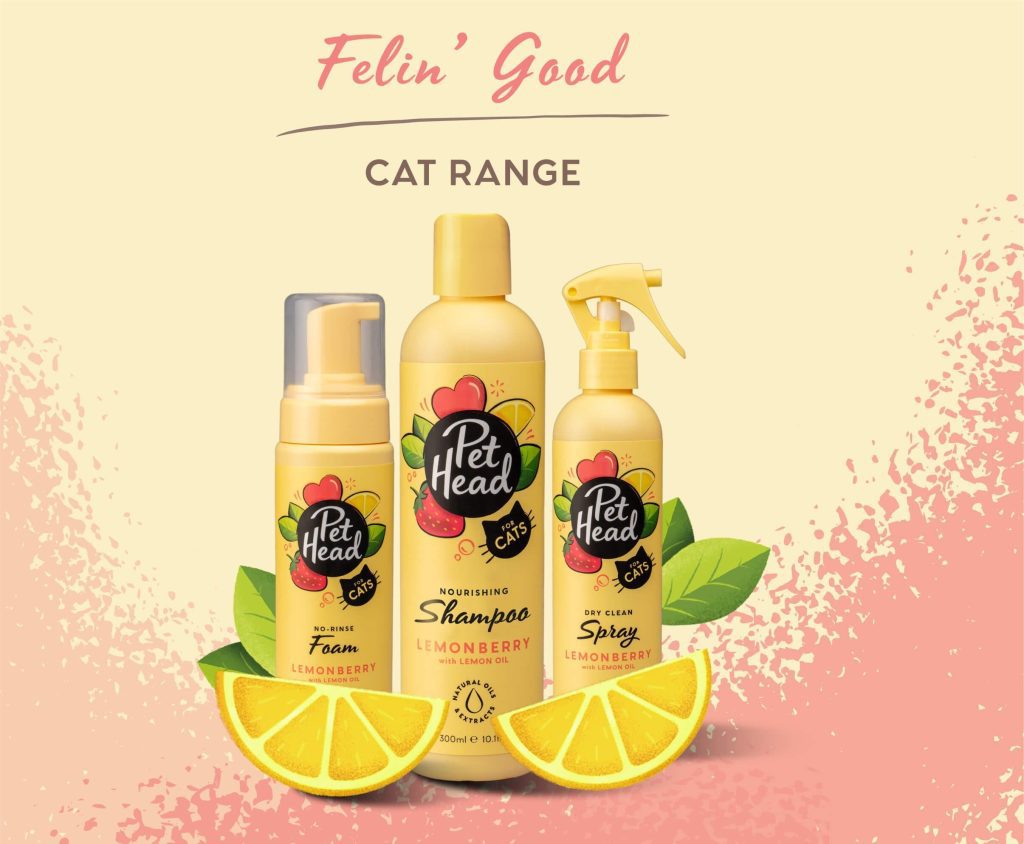
In multi-pet households, the clearest approach is to keep dog and cat grooming products separate. Dog shampoos, sprays, and wipes should not be assumed to be safe for cats unless the product states this clearly. Fragrance levels, surfactant types, and ingredient choices are all different depending on the species the product is designed for. Building a dog grooming kit that covers your dog’s specific needs – cleansing, coat care, paw protection, ear hygiene, and between-wash maintenance – and sourcing cat grooming products separately from a cat-specific range is the most reliable way to keep both animals comfortable.
Final Thoughts
Building a dog grooming kit does not need to be complicated. The basics – a shampoo suited to your dog’s skin, a conditioner, dog wipes, a coat refresher, paw butter, and ear wipes – cover most of what everyday at-home grooming requires. From there, adjusting for your dog’s coat type, skin needs, age, and the seasons means the routine stays appropriate as those things change.
At Company of Animals, led by CEO Dr Emily Mugford, the Pet Head range is approved by vets, and built around dogs’ specific physiological needs – with every ingredient chosen for a reason. Explore the full range to find the right products for your dog.
Frequently Asked Questions
What should be included in a dog grooming kit?
A complete dog grooming kit covers the essentials for wash time and between-wash care. That means a dog-specific shampoo suited to your dog’s skin type, a conditioner, dog wipes for everyday clean-ups, a coat refresher or spray for between wash days, paw butter for nourishing paw pads, and ear wipes for regular ear hygiene. From those essentials, you can build in additional products – leave-in conditioners, detangling sprays, or targeted skin creams – based on your dog’s specific needs.
How often should I groom my dog at home?
Light grooming – wiping paws after walks, a quick brush, or a coat refresh – can be done daily and fits easily into an everyday routine. Full wash days generally suit most dogs every three to four weeks, though coat type and lifestyle affect the right frequency. Dogs with longer, thicker, or curlier coats may benefit from more frequent conditioning between washes to prevent matting. Dogs with sensitive skin often do better with slightly less frequent washing and more between-wash maintenance.
Can regular grooming support skin and coat comfort?
Yes. Consistent grooming keeps debris from building up on the skin, helps maintain the coat’s moisture balance, and gives you the opportunity to notice changes early. Using products formulated for your dog’s specific skin needs – rather than general-purpose or human products – makes the biggest difference to long-term coat condition and skin comfort.
What grooming products are suitable for dogs with sensitive skin?
pH-balanced, fragrance-light formulas with moisturising ingredients are best suited to reactive skin. The Pet Head Sensitive Soul range – shampoo, conditioner, spray, and wipes – is formulated with this specifically in mind, using oatmeal extract, calendula, marula oil, and aloe vera. For targeted dry areas, Pet Head Oatmeal Soothing Cream provides daily lightweight moisture support for elbows, skin folds, and other patches prone to dryness.
How do I build a grooming routine for a puppy?
Start with gentle, brief sessions from eight weeks old and keep the emphasis on calm handling rather than thorough cleaning. Mucky Pup Shampoo and Conditioner are formulated specifically for developing puppy skin. Between wash days, Quick Fix Dog Wipes and Mucky Pup Puppy Spray handle everyday freshening without the demands of a full wash. Keeping sessions short and consistently rewarding your puppy throughout builds the positive association with grooming that makes things easier as they grow.
What grooming products work best between washes?
Dog wipes are the most practical everyday tool – they remove dirt, pollen, and surface residue from paws, faces, and coats without water. A coat refresher like Pet Head Ultimutt Clean Coat Refresher manages odour between wash days without disrupting the skin. For coats that tangle, a leave-in conditioner applied to a wet or dry coat keeps fur manageable and reduces the pulling that makes brushing uncomfortable.
Why should dogs and cats have separate grooming products?
Dogs and cats have different skin chemistry, natural pH levels, and grooming habits. Cat skin is thinner and more sensitive than dog skin, and cats ingest significant amounts of grooming product through self-grooming. A formula suited to a dog may not be appropriate for a cat, even if it is labelled as gentle. Using species-specific products for each animal is the most reliable approach in multi-pet households.
How do I protect my dog’s paws year-round?
Paw pads need support in both winter and summer. In winter, apply paw butter before walks to help protect against road salt and grit, and use dog wipes after walks to remove any residue. In summer, hot pavements can dry out pads just as effectively as ice and salt – check pad condition regularly and apply paw butter after walks on dry or rough surfaces. A small amount applied consistently works better than occasional heavy use. If cracks appear deep, bleed, or cause your dog to limp, seek veterinary advice.
When should I consult a vet about my dog’s skin or coat?
If persistent scratching, redness, hair loss, or changes in coat texture do not improve with a gentler wash routine and appropriate products, consult a vet. Ongoing skin concerns are often linked to underlying causes – sensitivities, dietary factors, or longer-term skin conditions – that grooming products alone cannot resolve. Catching those causes early leads to better outcomes for the dog.
Do I need different grooming products for different seasons?
Adjusting your routine seasonally makes a practical difference. Winter calls for more attention to paw care, more moisture support between washes, and slightly less frequent washing to protect the skin’s natural oils in dry indoor environments. Summer focuses on regular brushing to manage shedding, between-wash coat refreshers to handle odour from more outdoor activity, and consistent paw pad care for dogs walking on hot surfaces. The core kit stays the same; the emphasis and frequency shift with the conditions.