
Choosing a humane muzzle means selecting one that keeps your dog safe without compromising their welfare. The word “humane” gets used loosely in pet product marketing, but when it comes to muzzles, it has a specific meaning: a muzzle that allows your dog to behave naturally while still providing effective safety.
At Company of Animals, animal welfare has driven every product decision for over 40 years. Our founder, Dr Roger Mugford, is a world-renowned animal psychologist whose pioneering work in reward-based training transformed how people understand and work with dogs. His approach always started with the same question: what does the dog need?
Today, Company of Animals is led by Dr Emily Mugford, who became CEO in 2024. As a veterinary surgeon with over 20 years’ experience in small animal practice, Emily evaluates every product through the lens of animal welfare first. This means asking not just whether a product works, but whether it works in a way that supports the dog’s physical and emotional wellbeing.
The guidance in this article draws on expertise from Fiona Whelan, Head Behaviourist at our Pet Centre in Chertsey, Surrey. With over 20 years’ experience working with dogs who need muzzles for various reasons, Fiona understands what makes the difference between a muzzle a dog tolerates and one they genuinely accept.
This guide explains what makes a muzzle truly humane, why this matters for your dog, and how to choose one your dog will actually wear comfortably.
Is It Cruel to Use a Muzzle on a Dog?
This is one of the most common questions owners ask, and the answer depends entirely on how the muzzle is introduced and what type you choose.
If you teach your dog to wear a muzzle using positive methods, you can make them completely accepting of it – in the same way they accept a harness or collar. Dogs don’t naturally enjoy having something on their face, but with gradual introduction and positive associations, most dogs learn to see their muzzle as a normal part of life.
However, if you simply force a muzzle onto an unwilling dog and leave them to cope, that experience will be unpleasant and stressful. The difference between humane and cruel muzzle use comes down to two factors: choosing a dog muzzle that allows natural behaviour, and taking time to train your dog to accept it properly.
What Makes a Muzzle “Humane”?
A humane muzzle allows your dog to perform essential natural behaviours while wearing it. These aren’t optional extras – they’re basic physiological needs that affect your dog’s health and safety.
Ability to Pant Freely
Panting is critical for dogs to be able to regulate their body temperature. Unlike humans, dogs are unable to sweat, so panting is their main cooling mechanism. Dogs pant when they are hot, excited, anxious, or stressed. On a hot day, when they’ve been exercising, or during vet or grooming appointments, your dog needs to be able to manage their body temperature effectively, and they do this by panting.
Any muzzle that restricts panting puts your dog at serious risk. A dog who cannot pant effectively cannot regulate their temperature, which can lead to dangerous overheating. When choosing a muzzle, the ability to pant fully must be non-negotiable.
Ability to Drink Water
Dogs wearing muzzles still need access to water, particularly during walks or any extended wear. A humane muzzle allows your dog to drink from a bowl without removing the muzzle. If your dog cannot drink while wearing their muzzle, you either need to change the muzzle or it’s not fitted correctly.
Ability to Receive Treats
The ability to take treats might seem less critical than panting or drinking, but it directly affects how your dog experiences wearing the muzzle. Positive reinforcement – rewarding good behaviour with treats – is the most effective way to help dogs accept muzzles happily. If treats can’t be delivered through the muzzle, you cannot reward your dog for calm behaviour during use.
Ability to Vomit Safely
This consideration is often overlooked but critically important. Dogs may need to vomit unexpectedly – from stress, eating something disagreeable, or illness. A muzzle that holds the mouth closed creates a choking hazard if the dog needs to be sick. It’s not a pleasant thought, but a humane muzzle must allow your dog to vomit safely if they need to.
What Is the Safest Type of Muzzle for Dogs?
When considering safety, you need to think about two things: your dog’s welfare (can they pant, drink, vomit?) and whether the muzzle will actually do the job you need it for.
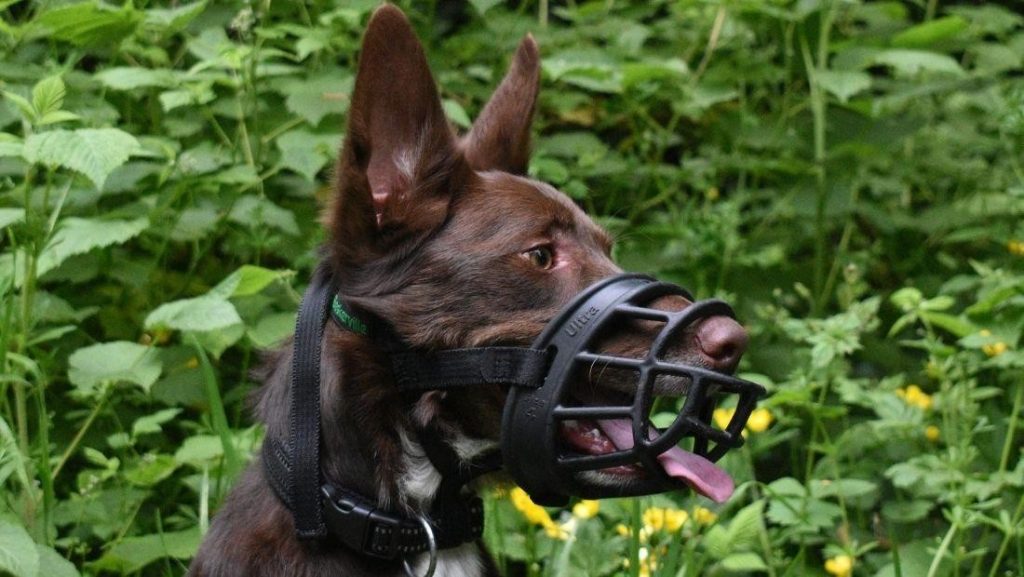
Basket muzzles – with their open, cage-like structure – are the only design that meets all the criteria for humane use. The basket creates space around your dog’s snout rather than pressing against it, allowing full mouth movement while still preventing biting.
As Fiona Whelan, our Head Behaviourist, puts it: “Don’t see putting a muzzle on your dog as a failure on your part, because it’s not. You’re actually protecting your dog, protecting yourself, and protecting others. That muzzle should be seen as a tool to help you achieve the end result. Don’t feel like a failure – feel like a hero for doing something for your dog.”
Quality also matters for safety. Many cheaper muzzles are too soft – a determined dog can still bite through them, or in the case of scavenging dogs, simply squish their nose into whatever they’re trying to eat. If you need a muzzle to prevent biting or scavenging, it needs to be robust enough to actually do that job.
Why Fabric Muzzles Are Not Humane
Fabric muzzles, sometimes marketed as “soft” or “gentle” options, work by holding the dog’s mouth closed. While they might look less intimidating than basket muzzles, they fail every test of humane design.
With fabric muzzles, mesh muzzles, or any soft muzzle that holds the mouth closed, dogs cannot pant properly, cannot drink water, and cannot receive treats for positive reinforcement. These muzzles restrict the very behaviours dogs need for basic welfare.
There’s also a practical problem: soft muzzles often don’t do the job owners think they will. Dogs wearing soft muzzles for scavenging prevention can often still eat – they simply squish their nose into whatever they’re after and eat away. For anything requiring actual prevention, fabric muzzles frequently fail.
Fabric muzzles have extremely limited appropriate uses – essentially only for momentary veterinary procedures lasting seconds. For walks, training, extended wear, or any real-world situation, they are not suitable.
Features That Make Basket Muzzles More Comfortable
Beyond the basic requirements of allowing natural behaviour, certain design features make basket muzzles easier for dogs to accept and more comfortable for extended wear.
Lightweight Materials
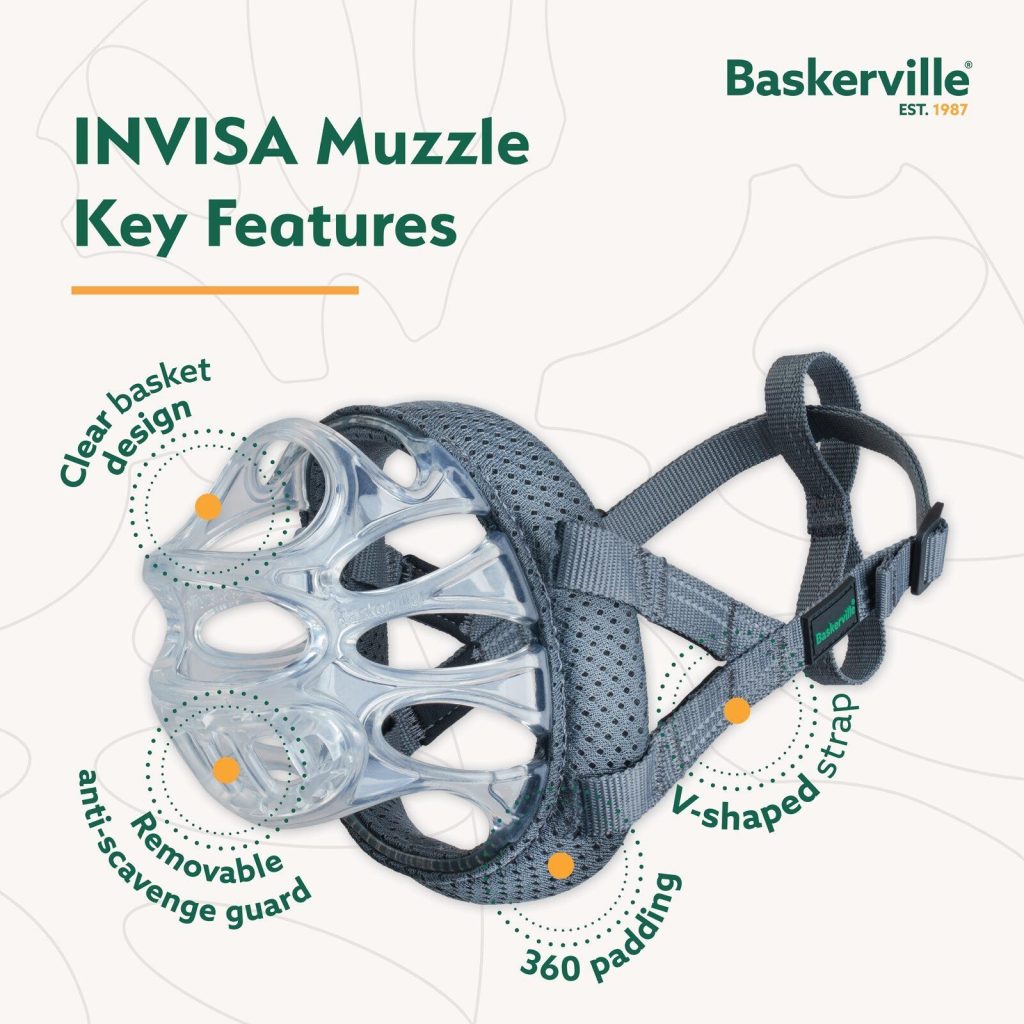
Heavy muzzles cause fatigue and discomfort. Quality basket muzzles use materials like TPR (Thermoplastic Rubber) that provide strength without excessive weight. The Baskerville INVISA is the lightest muzzle in our range, weighing just 50g in Size 1 up to 220g in Size 6.
Padding for Comfort
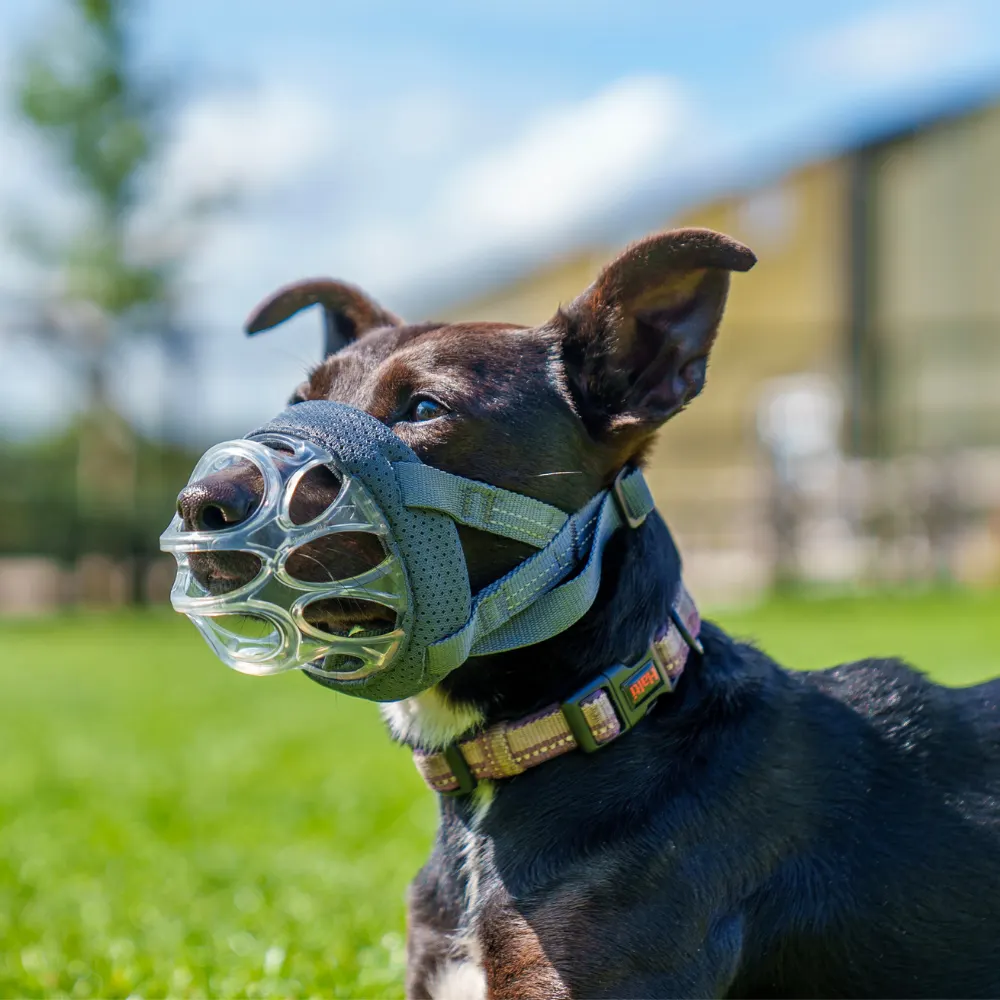
Padding reduces pressure points and makes extended wear more comfortable. The INVISA features 360-degree padding around the entire basket rim. The Classic and Wide Fit muzzles feature padded nosebands that cushion the most common pressure point.
Adjustable and Customisable Fit
Every dog’s face is different. Humane muzzles feature adjustable straps for a secure fit without tightness. All Baskerville muzzles can also be reshaped with hot water, allowing you to customise the basket shape to match your individual dog’s face – meaning even dogs with unusual face shapes can achieve a comfortable, secure fit.
Why Training Matters as Much as Design
Even the most humane muzzle design won’t feel humane to a dog who hasn’t been properly introduced to it. Muzzle training takes time – it’s not something you do in five minutes. How long depends on your individual dog: how sensitive they are, what experiences they’ve had before, and their general tolerance for new things.
Dogs who have worn head collars tend to be more tolerant of muzzles because they’re already used to wearing something on their face. Dogs who’ve never experienced anything like this will need more gradual introduction.
The key principle is building positive associations. Your dog should learn that the muzzle predicts good things: treats, walks, and enjoyable experiences. Start by pairing the sight of the muzzle with rewards. Progress to smearing tasty food inside so your dog voluntarily puts their nose in. Only fasten the straps once they’re completely comfortable, and build wearing duration gradually.
Because basket muzzles allow treat delivery, you can continue rewarding your dog throughout training and during actual use. This is impossible with fabric muzzles and is one of the key reasons basket muzzles are easier for dogs to accept.
The Baskerville Humane Muzzle Range
All four Baskerville muzzles are designed to meet humane standards while serving different needs:
Baskerville Ultra
Built for durability with ergonomic design. Allows full panting, drinking, and treating. Reshapable for custom fit. Best for active dogs and regular use.
Baskerville Classic
Features padded noseband and removable anti-scavenge guard. Allows full panting, drinking, and treating. Particularly suited to longer-nosed breeds. Best for scavenging prevention and general use.
Baskerville Wide Fit
Designed specifically for broader-faced breeds who struggle with standard muzzle shapes. Features padded noseband particularly important for brachycephalic breeds with already-compromised airways. Best for Bulldogs, Staffies, Boxers, and similar breeds.
Baskerville INVISA
Features 360-degree padding, transparent design, and is the lightest muzzle in the range. The transparent basket lets people see your dog’s face, which can reduce negative reactions from others. Best for maximum comfort, long walks, and owners concerned about muzzle stigma.
How to Size a Humane Muzzle Correctly
Even the most humane design becomes uncomfortable if it doesn’t fit properly. If your dog cannot pant and drink while wearing their muzzle, you need to change the muzzle – it’s either the wrong size or the wrong muzzle entirely.
Length (most important): Measure from the tip of your dog’s nose to the base of the nose, just below the eyes. The tip of your dog’s nose should not touch the end of the muzzle when fitted.
Circumference: Measure around the widest part of your dog’s muzzle, usually just below the eyes. Ideally, measure with your dog’s mouth open to ensure adequate panting room.
If your dog falls between sizes, always size up. A slightly roomier muzzle is more comfortable and safer than one that’s too tight.
Important Safety Considerations
Dogs should never be left unsupervised while wearing a muzzle. Even a well-fitted, comfortable muzzle can cause problems if something goes wrong and you’re not there to help.
In hot weather, monitor your dog closely and ensure they have access to water. While basket muzzles allow panting, extreme heat still requires extra vigilance.
A correctly fitted basket muzzle should not stop your dog from barking. If barking is your concern, a muzzle is not the solution – you need to address the underlying behaviour through training.
Frequently Asked Questions
What makes a dog muzzle “humane”?
A humane muzzle allows the dog to pant freely, drink water, receive treats, and vomit safely if needed. These are basic physiological needs, not optional extras. Only basket muzzles meet all these criteria. Fabric muzzles that hold the mouth closed fail every test of humane design.
Are humane muzzles comfortable for dogs?
Yes, when properly fitted and introduced through positive training. You can make a dog completely accepting of a muzzle – in the same way they accept a harness or collar – if you take time to train them properly and choose a muzzle that allows natural behaviour.
Can my dog eat and drink whilst wearing a humane muzzle?
Yes. A properly fitted basket muzzle allows dogs to drink from bowls and receive treats through the basket openings. If your dog cannot drink or take treats while wearing their muzzle, it either doesn’t fit properly or isn’t the right type of muzzle.
How do I size a humane muzzle correctly?
Measure your dog’s nose length (tip to base below eyes) and circumference (around the widest part, ideally with mouth open). Length is the most important measurement. If between sizes, size up. All Baskerville muzzles can be reshaped with hot water for a custom fit.
What is the difference between a humane muzzle and a regular muzzle?
A humane muzzle allows natural behaviour while providing safety. Fabric muzzles that hold the mouth closed restrict essential behaviours like panting and drinking, creating genuine welfare concerns. The key difference is design: basket muzzles are humane; fabric muzzles are not suitable beyond momentary veterinary use.
Are soft muzzles more comfortable than basket muzzles?
No – this is a common misconception. Soft muzzles might look gentler, but they’re actually less comfortable because they restrict natural behaviour. A dog who cannot pant properly or drink water is not comfortable, regardless of how soft the material feels. Properly fitted basket muzzles allow normal behaviour, which is the foundation of genuine comfort.
Choosing a Muzzle Your Dog Will Actually Wear
A humane muzzle isn’t just about meeting minimum welfare standards – it’s about choosing equipment that allows your dog to be comfortable and behave naturally while staying safe. When dogs can pant, drink, and receive treats, they accept muzzles more readily and wear them more happily.
Remember: using a muzzle responsibly is not a failure. It’s a proactive choice that protects your dog, yourself, and others. The right muzzle, properly trained, becomes just another piece of equipment your dog accepts as part of normal life.
For expert guidance on choosing the right muzzle or help with muzzle training, our Pet Centre in Chertsey offers behavioural consultations by veterinary referral. Speak to your vet if you’d like to access our team of experienced behaviourists.